Your cable bill may be packed with channels your household never watches, but that does not mean you have to give up the programs you do. The practical way to cancel cable without losing channels is to separate what you watch into two groups: local broadcast stations and cable-only programming. Once you know where each comes from, you can replace an expensive bundle with a setup that fits your home.
For many households, local news, network shows, major live events, weather coverage, and a meaningful share of sports are the reasons cable has stayed in the budget. Those stations are available free over the air in most markets. The key is receiving them reliably.
Start With the Channels Your Household Actually Uses
Before you call your cable provider, look at what is on your TV during a normal week. Check the guide, ask each person in the house what they would miss, and make a short list. The answer is often more focused than the 200-plus channels on the bill.
Your list may include local ABC, CBS, FOX, NBC, PBS, CW, and independent stations. It may also include national cable channels, regional sports networks, premium movie channels, or a particular live news network. Local broadcast stations and cable networks are not replaced in the same way, so this step prevents surprises after cancellation.
If most of your viewing comes from local stations, an antenna may eliminate the need for a live TV package entirely. If you also need a few cable networks, pairing an antenna with one carefully chosen streaming service can still lower your monthly cost considerably.
Keep Local Channels With an HD Antenna
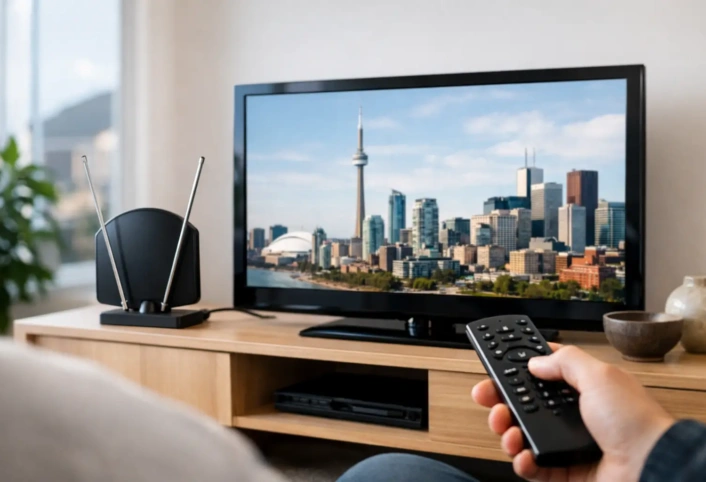
A television antenna receives free over-the-air broadcast signals. It is not a subscription service, and it does not use your home internet connection. When reception is properly designed for your location, an antenna can deliver local channels in high definition, including primary network affiliates and additional digital subchannels.
Those extra subchannels are worth a closer look. Depending on your market, they can include classic television, movies, entertainment, local weather, children’s programming, and specialty networks. They may not replace every cable channel, but they can add more viewing options than many homeowners expect.
A common concern is picture quality. Broadcast HD can look excellent because the signal reaches your television directly rather than being heavily compressed through a cable or streaming feed. The channel lineup and reception quality, however, depend on your address, nearby terrain, distance from broadcast towers, building materials, and antenna placement.
Why a professional installation can make a difference
An indoor antenna from a retail shelf can work well in the right room, especially near strong broadcast signals. But it can also be frustrating when walls, wiring, trees, appliances, or the antenna’s location interfere with reception. Moving it a few feet can change results.
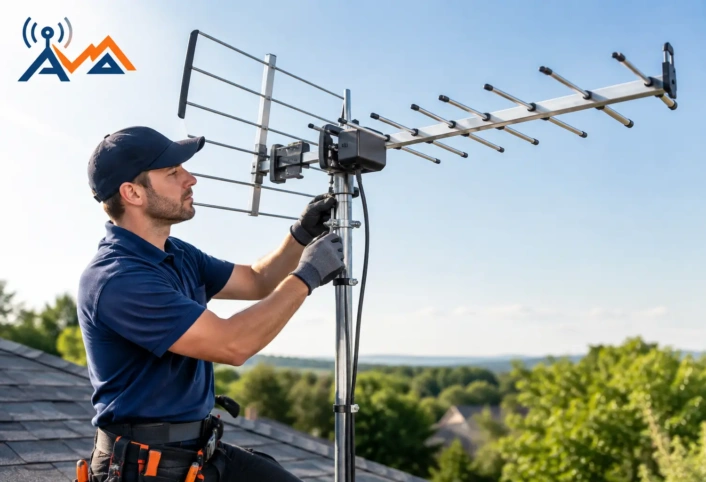
A professionally installed antenna system takes a more dependable approach. A trained technician evaluates local signal conditions, selects the appropriate antenna, finds an effective placement location, and configures the system for the televisions you want to serve. Outdoor and attic installations often provide stronger, more consistent reception than an antenna placed behind the TV.
For homes with several televisions, the system should be planned from the start. Splitting one signal across multiple sets may require the right cabling, connections, and in some cases amplification. The goal is not simply to find channels during a test scan. It is to create reliable everyday TV access throughout the home.
How to Cancel Cable Without Losing Channels You Pay For
An antenna handles local broadcast television. For channels that are carried only by cable, satellite, or streaming providers, choose a replacement based on your actual viewing habits rather than signing up for another oversized package.
On-demand streaming services are usually a good fit for households that watch shows, movies, and original series on their own schedule. They do not always include local stations or live cable news, and their catalogs change over time. A live TV streaming package can provide a more familiar channel-guide experience, but its monthly cost can be higher and its channel lineup varies by service and market.
The most cost-effective setup is often a mix: antenna for free local channels, internet service for streaming, and only the subscriptions your household uses regularly. That approach keeps the essentials while giving you more control over recurring charges.
Sports deserve special attention before you cancel. Many NFL games, major network events, college games, and local-market broadcasts air on local stations and can be received with an antenna. Other games may be tied to a cable network, regional sports network, or league-specific service. Check the schedules for the teams and leagues you follow, not just the service’s promotional channel list. Sports rights change, and one missing game can matter more than 100 channels you never watch.
Test Your Setup Before Ending Service
Do not cancel first and hope the replacement works later. Set up and test your antenna while cable is still active. Scan for channels on every television that will use the antenna, then watch at different times of day and during changing weather conditions. Confirm that the stations most important to your household come in clearly.
If you plan to stream, test your internet connection where you actually watch TV. Multiple simultaneous streams, video calls, gaming, and smart-home devices can affect performance. A household that only watches one show at a time has different needs than a family with several screens running every evening.
It also helps to understand your current cable agreement. Check for equipment return requirements, final billing dates, promotional rates that may expire, and any remaining contract terms. Return cable boxes, remotes, and other leased equipment according to the provider’s instructions, and keep your receipt or confirmation.
Avoid an accidental loss of internet service
Some cable companies bundle TV and internet on a single account. When you remove television service, verify that your internet plan will remain active and ask what the new monthly price will be. In some cases, the TV bundle discount disappears. Even then, eliminating television equipment fees and a large channel package may still create meaningful savings.
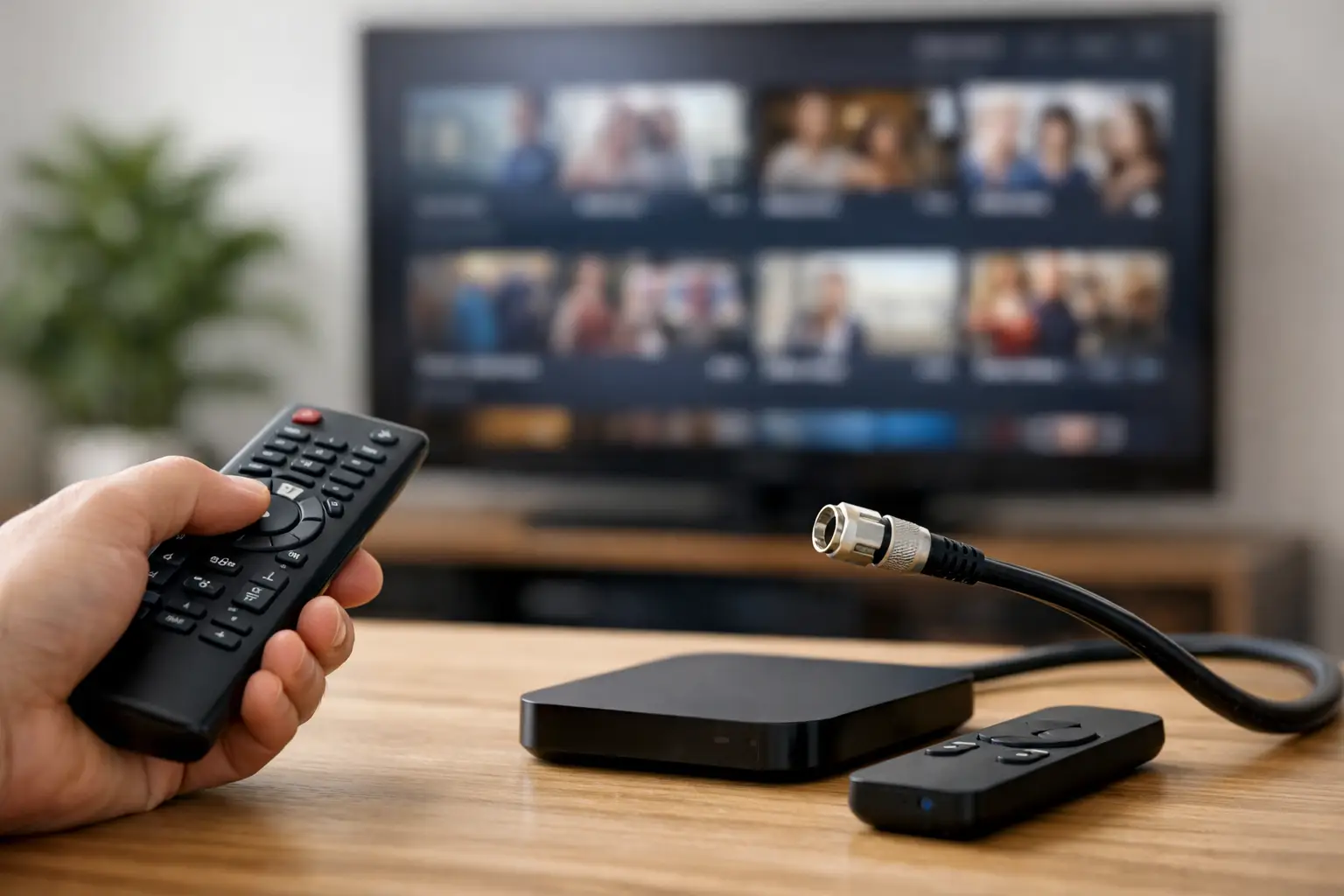
You should also decide whether you want a streaming device, a smart TV app, or both. Most newer televisions can scan for antenna channels directly through their built-in tuner. If yours does not have one, an external tuner may be needed. This is a small detail, but it is best handled before the installer leaves or before the cable box is returned.
Build a TV Setup That Works for Your Home
There is no single cord-cutting setup that works for every household. A homeowner close to broadcast towers may receive a strong lineup with a simple antenna installation. A home farther from towers, behind hills, or surrounded by dense trees may need a more carefully selected antenna and placement strategy. Renters may have different mounting options than homeowners.
The same is true for channel needs. If you watch local news every morning and network sports on weekends, free over-the-air TV may cover most of your routine. If your household relies on a particular cable news station, regional sports network, or premium channel, an antenna becomes the foundation rather than the complete replacement.
That is why a customized assessment matters. Antenna Master helps homeowners turn cord-cutting from a trial-and-error project into a properly configured home TV system. With the right antenna, placement, and setup, you can keep the local programming that matters while reducing dependence on a costly cable package.
A cable cancellation should feel like a smart change, not a sacrifice. Start with the channels your household values, make sure your local broadcast reception is dependable, and only pay for the entertainment you truly want to keep.