A good TV antenna should not leave you walking around the room, moving it an inch at a time, and hoping the picture holds through the evening news. The best antenna installers turn cord-cutting into a dependable home TV solution by matching the equipment, location, and setup to the signals available where you live.
For homeowners who want local news, live network shows, major events, and high-definition broadcast television without relying entirely on cable or satellite, professional installation can make a meaningful difference. The right technician does more than mount an antenna. They assess reception conditions, protect the installation, connect the system properly, and make sure your TVs are ready to use.
What the Best Antenna Installers Actually Do
An antenna installation is not one-size-fits-all. A product that works well for one home may underperform at another just a few miles away. Distance from broadcast towers, terrain, nearby buildings, trees, roof height, construction materials, and the number of televisions in the home can all affect results.
A qualified installer begins by looking at the reception opportunity for your address. They should consider which local stations are likely to be available and what type of antenna system makes sense for your property. That might mean an outdoor antenna with a clear path toward broadcast signals, or a carefully planned alternative where roof placement is not appropriate.
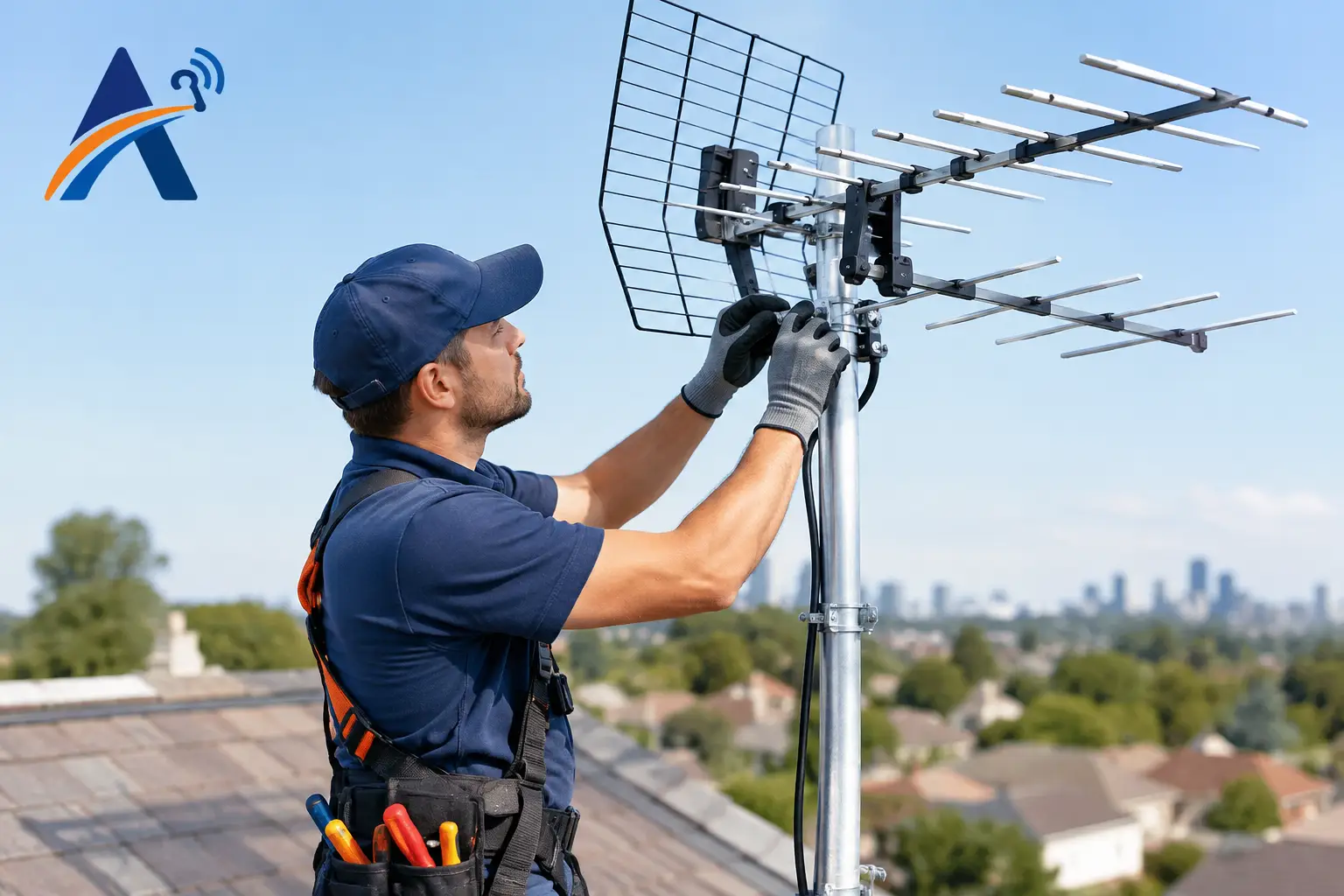
The work should also include more than attaching hardware. Professional setup can involve routing coaxial cable neatly, connecting existing television locations when practical, grounding the system, scanning channels on each TV, and verifying picture quality. These details are where a professionally installed system separates itself from an antenna purchased off the shelf and placed wherever it happens to fit.
Signs You Have Found the Best Antenna Installers
The best antenna installers are clear about what they will evaluate before recommending a system. Be cautious of anyone who promises every channel without asking about your address, building type, or television setup. Over-the-air reception can be excellent, but real conditions matter.
Look for a provider that explains the process in plain language. You should understand where the antenna may be placed, how cable will reach your televisions, whether any existing equipment can be used, and what to expect after installation. Technical knowledge is valuable, but the explanation should not feel like a lecture.
Training and current certification are also worth asking about. Antenna technology, broadcast standards, mounting practices, and home entertainment systems continue to change. Technicians who stay current are better prepared to make sound recommendations and complete a clean, reliable installation.
A service-minded company also plans for the life of the system, not only installation day. If you have questions about rescanning channels, connecting another television, or understanding a reception change, it helps to know there is a knowledgeable team behind the work. Reliable support is especially useful for households that are new to cord-cutting.
They Recommend the Right Antenna, Not the Biggest One
More range on a package does not automatically mean better reception. An oversized or poorly matched antenna can introduce complications without solving the actual issue. The goal is to receive the channels you want as consistently as your location allows.
A knowledgeable installer considers signal direction and strength before selecting equipment. They can also determine whether an amplifier, splitter, distribution equipment, or other component is appropriate. Amplification can help in some situations, particularly when serving multiple TVs or handling longer cable runs, but it is not a universal fix. Too much amplification can create its own signal problems.
They Treat Your Home With Care
An antenna should support your entertainment setup without making your home look like a temporary project. Ask how the installer handles mounting, cable routing, weatherproofing, and grounding. The answers should reflect respect for the property as well as attention to reception.
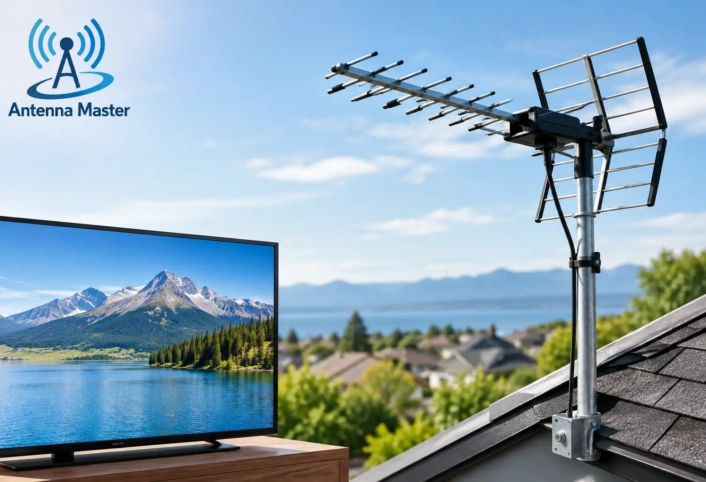
For many homes, a roof or exterior location provides the best reception potential. Still, placement depends on the structure, access, nearby obstructions, and local conditions. A professional should discuss the available options and recommend the placement that balances performance, safety, and appearance.
Questions to Ask Before Scheduling Installation
You do not need to become an antenna expert before requesting an estimate. A few direct questions can help you recognize a capable provider and set useful expectations.
Ask whether they assess local broadcast signals for your specific address. Ask how they determine antenna placement and whether they test reception after installation. If you have more than one TV, ask how the system will be distributed throughout the home and whether your current wiring can be evaluated.
It is also helpful to explain how you watch television now. Some households only need reliable local channels on one main TV. Others want live broadcast access in several rooms while using streaming services for other entertainment. Your installer should build the recommendation around your viewing habits, not force every home into the same configuration.
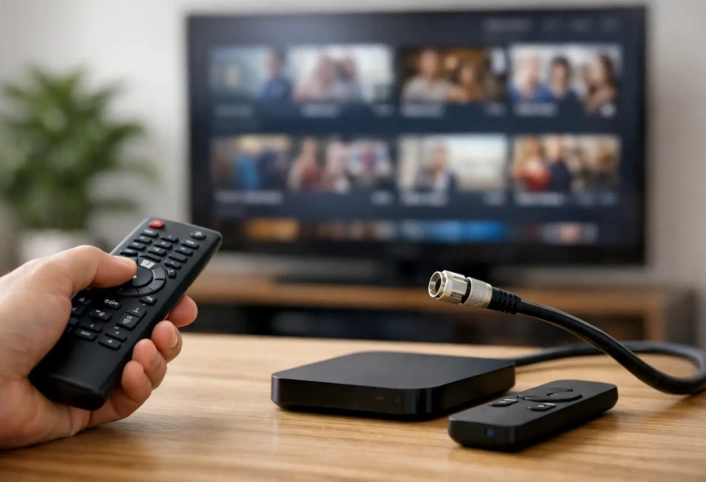
If you are replacing cable or satellite service, ask what equipment remains necessary after the antenna is installed. Many televisions can receive over-the-air channels directly, while others may need a compatible tuner or a different connection approach. A good technician will make sure the system is understandable before they leave.
Why Local Signal Knowledge Matters in South Florida
Reception conditions can change from neighborhood to neighborhood. In Miami-Dade, Broward County, and Monroe County, coastal weather, dense development, tall buildings, trees, and the design of a home can all influence an antenna system. What looks like a simple installation from the street may require careful placement to obtain the strongest practical signal.
Local experience helps an installer identify the likely challenges before installation begins. It also helps them choose an approach suited to South Florida homes, including secure mounting and attention to outdoor exposure. This is not about making blanket promises. It is about giving your system the best opportunity to deliver consistent local broadcast reception based on your property.
Professional Installation Makes Cord-Cutting Easier
Cutting the cord does not have to mean giving up the channels that keep your household connected to the community. Over-the-air television can provide access to local affiliates, network programming, weather coverage, live news, and other broadcast content in crisp HD quality.
The process is easier when someone handles the signal research, equipment selection, mounting, connections, and television configuration for you. Instead of spending a weekend troubleshooting missed channels or unstable reception, you can start using a system designed for your home.
Antenna Master approaches antenna installation as a complete service, with trained, recently certified technicians focused on helping customers enjoy dependable broadcast television. The objective is simple: make it easier to keep the local channels you value while reducing dependence on traditional pay-TV services.
When a Professional Is Especially Worth It
DIY antennas can work well in favorable locations, especially for a single television near a strong signal source. But professional help is often the better choice when reception is inconsistent, the antenna needs to be mounted outdoors, multiple TVs need service, or you are not comfortable working with ladders, roofing, cable runs, and grounding.
It is also a smart option when you want an answer before buying equipment. An installer can identify whether an antenna solution is likely to meet your goals and recommend a setup based on real conditions rather than broad retail claims. That guidance can prevent the common cycle of purchasing, returning, and replacing antennas without ever solving the reception problem.
The right antenna installer gives you more than hardware on a roof. They give you a clear path to dependable local television, a cleaner cord-cutting transition, and confidence that your home system was set up with care. Start with a conversation about your address, your TVs, and the channels that matter most to your household.