A severe weather alert, a local election, the big game on a major network, and the evening news all have something in common: you should not need a complicated TV package to watch them. The most practical cord cutting benefits come from keeping the programming your household actually uses while reducing dependence on cable or satellite service.
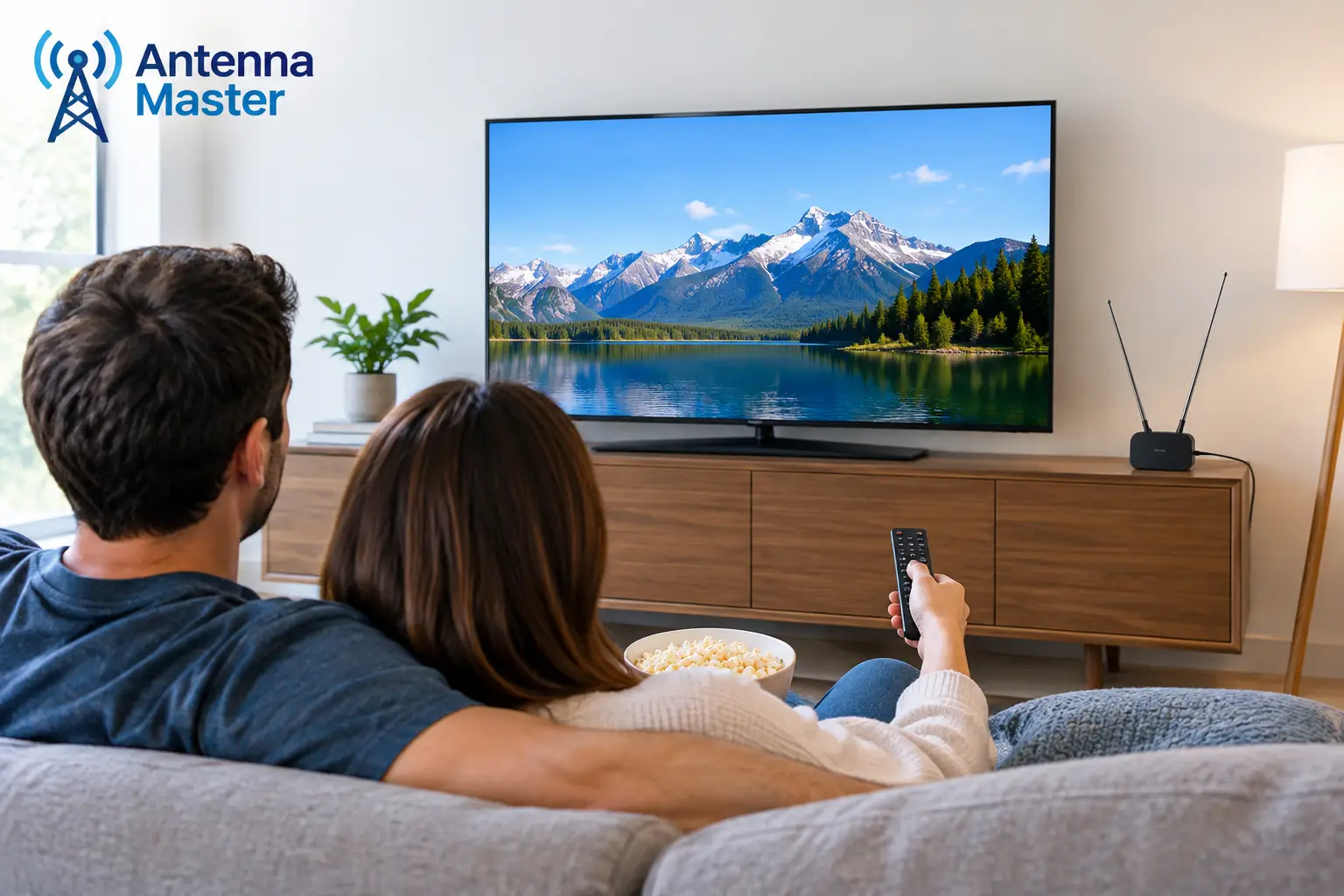
For many homeowners, an over-the-air antenna is the foundation of a better setup. Broadcast television is still available free over the air, and a properly designed antenna system can bring local network affiliates and other broadcast stations to your TVs in clear HD. It is a straightforward way to keep live television in the home without making entertainment feel limited.
Cord Cutting Benefits Start With Control
Pay-TV packages often grow larger than a household’s viewing habits. You may want local channels, live network shows, news, and sports, but find yourself paying for a long list of channels that rarely get watched. Cord cutting gives you more control over what stays and what goes.
That control does not have to mean canceling every service at once. Some households use an antenna as their primary source of live TV and add only the streaming services they value. Others keep a smaller pay-TV package for a time while using over-the-air channels more often. The right approach depends on what your family watches, but the goal is the same: build your television setup around your needs rather than a one-size-fits-all bundle.
An antenna also puts local programming back at the center of the experience. Local news, network primetime shows, many live sporting events, public television, and specialty broadcast channels are available in many areas. These are the channels people often miss most when they consider cutting the cord. With the right antenna and signal setup, they do not have to be left behind.
Clear HD Reception Without a Monthly TV Package
A common misconception is that broadcast television is outdated or lower quality. In reality, local broadcasters transmit digital signals that can deliver sharp, high-definition picture quality. When reception is strong, over-the-air HD can look excellent because the signal is received directly from the broadcaster rather than compressed through a traditional TV package.
Picture quality, however, is only as good as the system behind it. Antenna size, type, location, aiming, cable condition, splitters, and nearby buildings can all affect the result. A small indoor antenna may work well in one room and struggle in another. A system that looks simple at the store can become frustrating when channels disappear, break up, or fail to reach every TV in the house.
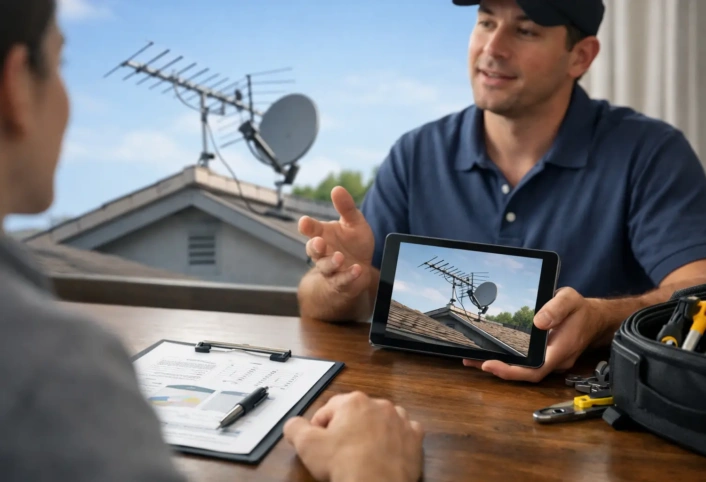
That is where professional installation adds real value. A trained technician evaluates available signals and chooses equipment based on your location and home layout. The antenna can be placed where it has the best opportunity to receive reliable signals, then connected and configured for the televisions you use. Instead of guessing which antenna may work, you get a setup designed around actual reception conditions.
Keep Local TV Available When It Matters
Local channels are more than background entertainment. They provide weather coverage during storms, school and community updates, local reporting, network events, and live programming that may be difficult to replace with on-demand services. For households in South Florida, reliable local reception can be especially valuable when weather information changes quickly.
An antenna provides a direct path to those broadcasts. It does not depend on your home internet connection, streaming app updates, or a login that suddenly stops working. That independence is one of the overlooked cord cutting benefits. If streaming services are buffering or your internet is down, an antenna-connected television can still receive local broadcast signals when conditions allow.
This does not mean an antenna replaces every kind of entertainment. Streaming remains useful for movies, original series, and on-demand viewing. But pairing streaming with free broadcast television creates a more balanced setup. You get the flexibility of on-demand content while keeping dependable access to live local TV.
A Better Fit for Multi-TV Homes
Cord cutting can feel easy in a single-room apartment. It becomes more complicated in a home with several televisions, family members with different viewing habits, and rooms far from the main TV area. A professional antenna system can be designed to distribute a signal to multiple TVs, helping each room access local channels without relying on separate indoor antennas.
The details matter here. Splitting one antenna signal across several televisions may require the right distribution equipment, cabling, and signal management. Using the wrong components can weaken reception and create inconsistent results from room to room. A properly configured system is built to make viewing simple: turn on the TV, scan for channels when needed, and watch.
There is also less clutter to manage. Rather than placing a different antenna near every television window, a centralized installation can keep the equipment discreet while supporting the rooms that need it. For homeowners who want a clean, reliable solution, that can be a major improvement over trial-and-error DIY setups.
The Trade-Offs to Consider Before You Cut the Cord
Cord cutting is not identical for every household, and it works best when expectations are realistic. Broadcast channel availability varies by address. Terrain, distance from transmission towers, building materials, trees, and surrounding structures can influence which stations are received and how consistently they come in.
Sports are another consideration. Many major network games are available through local broadcast stations, but not every league, matchup, or specialty channel will be included. If a household follows a specific team or sport that appears mostly on cable-only channels, a streaming service or another option may still be needed.
You should also think about your viewing habits before canceling anything. Make a simple list of the channels and programs your household watches in a typical week. Separate local broadcast programming from cable-only content and on-demand shows. This exercise quickly shows where an antenna can do the most work and where a supplemental service may make sense.
The best cord-cutting plan is rarely all-or-nothing. It is a practical mix of free over-the-air television and only the services that earn a place in your home.
Making Cord Cutting Benefits Work at Home
A successful antenna installation begins with a clear goal. Do you want local news in every room? Better reception for network sports? A dependable alternative to a large cable or satellite package? The answer helps determine the right system.
It is worth avoiding the assumption that the most powerful-looking antenna is automatically the best choice. The right antenna is the one matched to local signal conditions and installed in a suitable location. Placement can be just as important as the equipment itself. An outdoor or attic installation may offer stronger reception than an indoor model, but the best solution depends on the property and available signals.
Antenna Master helps homeowners turn that technical decision into a managed service project. Fully trained technicians can assess reception needs, install the appropriate equipment, configure the system, and make sure you understand how to use it. That support is especially helpful for households that want the benefits of cord cutting without spending weekends testing antenna positions and troubleshooting weak channels.
More Choice, Less TV Frustration
The real appeal of cord cutting is not simply removing a service. It is choosing a television setup that feels lighter, more useful, and easier to manage. Over-the-air HD television keeps local programming within reach, while streaming can fill in the entertainment your household values most.
Start with the channels you would miss tomorrow, then build around them. A professionally installed antenna can make that first step feel less like a gamble and more like a lasting upgrade to how your home watches TV.