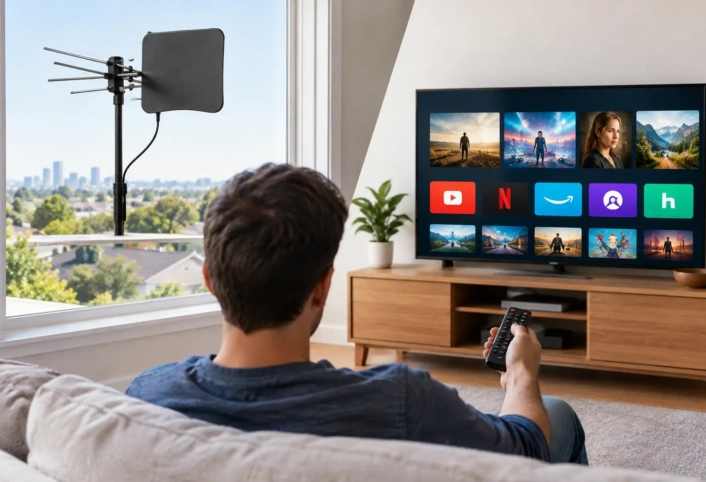
A fuzzy picture during the evening news, missing local channels, or a TV signal that changes with the weather can make cord-cutting feel more complicated than it should be. A customized antenna system quote starts with the real conditions at your property, so the recommended setup is built around the channels you want to watch and the reception your home can support.
For homeowners who want dependable local HD television without relying entirely on cable or satellite, the right antenna is only part of the answer. Placement, signal direction, cable routing, the number of TVs, and existing equipment all affect the finished result. A professional quote turns those variables into a clear plan before installation begins.
Why an Antenna Quote Should Be Customized
Television broadcast signals do not arrive at every home the same way. A house near strong broadcast towers may receive excellent results with a straightforward setup. Another home may sit behind taller buildings, dense trees, or structures that interfere with the signal path. Coastal weather, roof construction, and the distance between your home and local broadcast towers can also change the approach.
That is why an antenna system should not be selected solely by a package label or a promise on a retail box. An antenna that works well for one address may not be the best choice for another, even in the same neighborhood. The goal is not simply to install an antenna. It is to create reliable access to the local stations that matter to your household.
A customized quote considers your property rather than asking you to accept a one-size-fits-all recommendation. It gives you a practical path toward clearer over-the-air HD programming, including local news, network shows, live events, and sports carried by broadcast stations.
What a Customized Antenna System Quote Covers
A useful quote begins with a conversation about how you watch TV. Do you need service at one television or throughout the home? Are you replacing cable completely, keeping streaming services, or looking for a dependable backup to satellite? Do you use a DVR, a whole-home distribution setup, or smart TVs in multiple rooms? These details shape the system design.
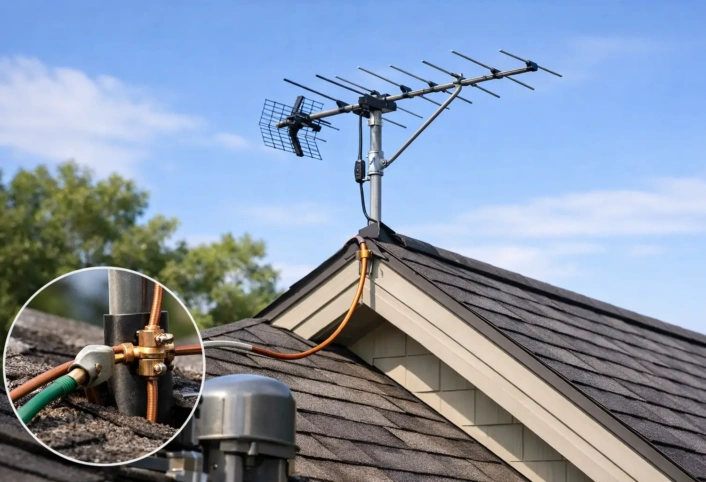
The assessment also looks at the physical environment. A technician may evaluate the roofline, attic options, exterior mounting locations, existing coaxial cable, access points, and the most suitable route for bringing a signal into the home. The best location is often high and clear, but it must also be secure, practical to service, and appropriate for the structure.
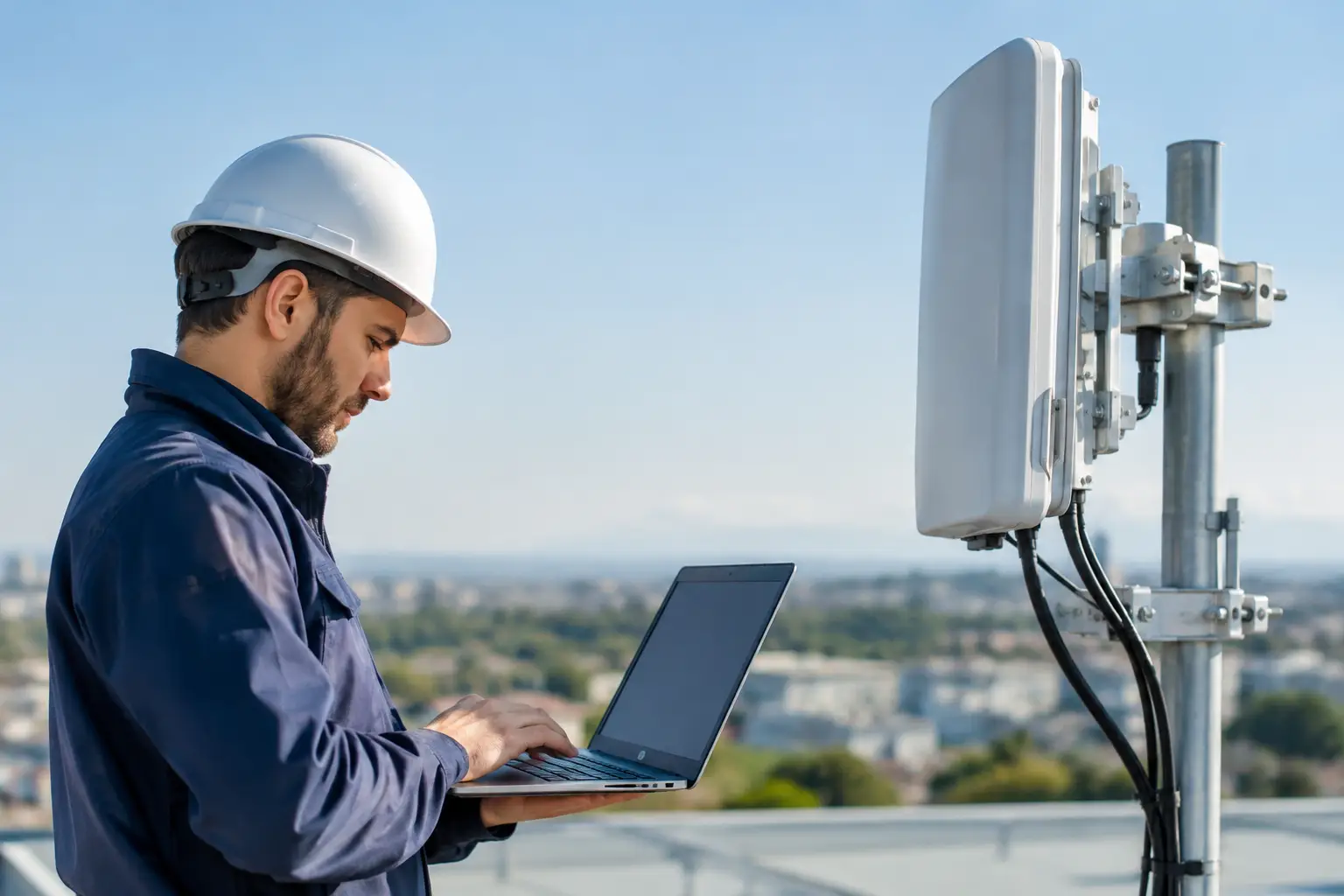
Signal reception is another key part of the process. Broadcast tower direction and local obstructions help determine the antenna type, orientation, and whether additional equipment may be appropriate. Some properties benefit from a simple directional antenna. Others may require a setup designed to handle stations arriving from different directions. The right answer depends on reception conditions, not a generic checklist.
Your quote should also account for how the signal reaches each television. Existing wiring can sometimes be used, while other homes need updated cable runs or a distribution method that supports multiple TV locations. The system has to be planned as a complete chain, from antenna placement to the picture on the screen.
The Questions That Help Build a Better Plan
Before requesting an estimate, it helps to think through your viewing habits and your home. You do not need to know antenna terminology. Simple information gives the technician a better starting point.
Consider which local channels are most important to you and how many televisions need access. If you currently have cable or satellite equipment, note whether you want it removed, bypassed, or left in place during your transition. Let the technician know about any reception trouble you have already experienced, such as channels that disappear at certain times or TVs that perform differently in separate rooms.
It is also helpful to mention recent roof work, planned renovations, solar panels, or areas where exterior mounting may be limited. These details do not automatically prevent installation. They simply help identify the safest and most effective options early.
Photos of the exterior, roofline, and existing cable entry points can be useful when an initial remote discussion is available. An on-site evaluation may still be needed because signal conditions and safe mounting opportunities are specific to the property.
What Professional Installation Adds
Many homeowners begin their cord-cutting journey with an indoor antenna. That can be a reasonable test in locations with strong signals and favorable room placement. The trade-off is that indoor antennas are more exposed to interference from walls, electronics, building materials, and movement within the home. A channel scan may look promising one day and become less dependable later.
Professional installation focuses on the complete reception system. That includes selecting an appropriate antenna, choosing a mounting location, aiming it correctly, securing it properly, connecting compatible wiring, and testing reception at the television. A trained technician can also spot issues that are easy to miss, such as aging coaxial cable, loose connectors, unnecessary splitters, or signal loss across a long cable run.
This approach is especially valuable when you want several TVs to receive local channels consistently. A system that works well on one television is not automatically ready to serve the entire home. Proper configuration helps avoid the frustration of strong reception in one room and weak or missing channels in another.
Reliable Reception Is About More Than Channel Count
It is tempting to judge an antenna solely by how many channels appear after a scan. Channel count matters, but stability matters more. A system may detect a station that is too weak to watch consistently, especially during changing weather or at different times of day.
A better outcome is dependable access to the stations you actually use. That often means balancing antenna direction, placement, and signal quality rather than chasing every distant channel that may not remain reliable. Your technician should set realistic expectations based on the signals available at your address and the conditions around your home.
Broadcast availability can also change. Stations occasionally adjust technical facilities, and construction or tree growth can affect a signal path over time. A professionally installed system gives you a sound foundation, while knowledgeable support helps if reception needs to be checked later.
From Quote Request to a Clearer TV Setup
The quote process should feel straightforward. Start by sharing your address, the number of televisions you want connected, and any current reception concerns. From there, the assessment can identify the antenna system and installation approach that fit your home.
A good recommendation explains the purpose of the proposed work in plain language. You should understand where the antenna will be placed, how the signal will reach your TVs, and what reception goals are realistic for your location. Technical details are useful when they answer a practical question, not when they create confusion.
For homes in Miami-Dade, Broward County, and Monroe County, local experience matters because building styles, weather exposure, and signal conditions can vary across the region. Antenna Master helps homeowners turn those variables into a professionally managed cord-cutting project, with trained technicians focused on dependable over-the-air HD television.
The best next step is simple: request a quote with a clear picture of how your household watches TV. A system designed for your home can make local broadcast television feel less like a compromise and more like the dependable part of your entertainment setup.